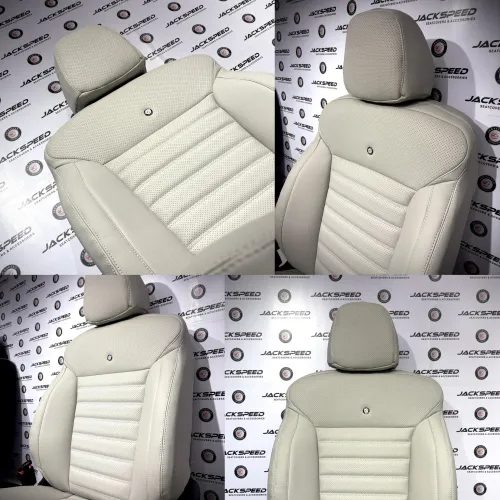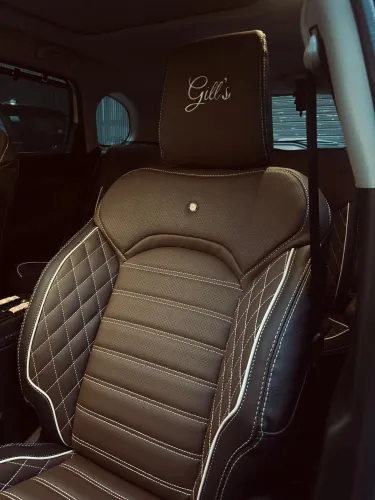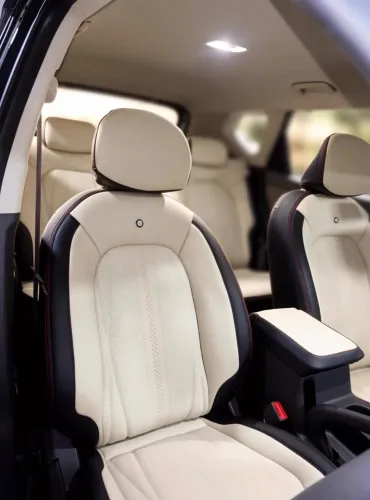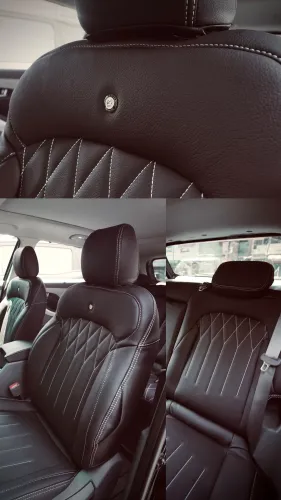
A Bruno cover is not confirmed as a proper fit merely because it has the right name or resembles your seats. Before paying, match the vehicle specification, verify safety features, inspect the installation process and compare the promised material, access and warranty details with realistic alternatives.
Key takeaways
- Give the seller your exact model, variant, year and seat layout.
- Confirm airbag seams and seat wiring before fitting the covers.
- Inspect seat movement, belt access and finish before accepting the work.
- Choose bucket fit only when precise fit matters more than quick installation.
Confirm the Bruno Cover Matches Your Exact Seat Layout
Treat “bruno bucket fit car for seatcovers in mayapuri” as a search description, not proof that a cover exists for your car. Before ordering, give the seller the exact make, model, variant, model year, number of rows and seat layout.
Take these details and images to the Mayapuri seller:
- Registration certificate showing the vehicle’s recorded model and variant
- Front and rear seat photographs, including headrests, armrests and seat-belt buckles
- Whether the front headrests detach and whether the rear bench folds 60:40, split-fold or as one piece
- Side-airbag labels on the seat backs, plus any seat ventilation or heating controls
Ask whether the Bruno cover uses a pattern measured from your vehicle, a prepared model-specific template, or a generic pattern altered during fitting. “Customised” can mean any of these; a generic cover may look acceptable while leaving excess fabric around the shoulder, base or head-restraint openings.
A genuine bucket-fit design follows each original seat rather than stretching one loose sheet across several seats. Confirm that the seller has a template for your exact configuration, not merely a similarly named variant.
That difference matters: the wrong pattern can misplace armrests, buckle openings, rear-seat splits and side-airbag seams, while loose material can bunch beneath you or block seat adjustment. Ventilated seats need special confirmation too, because decorative perforations do not guarantee airflow.
Take the Right Vehicle Details and Compare the Unanswered Specifications
A registration certificate, not a memory of the car’s name, gives the seller a reliable starting point. Bring the RC, exact make, model, variant, model year, number of rows, and photographs of every seat, including headrests, armrests, seat-belt buckles and the rear-seat split.
Also record whether the seat backs contain side airbags, whether headrests detach, whether the rear bench folds 60:40 or in another split, and whether the front seats are heated or ventilated. For a child seat, note the ISOFIX or LATCH points and top-tether route.
These details prevent a similarly named variant from producing blocked anchors or misaligned seams.
Ask the Mayapuri seller to identify what “customised” means for the Bruno customised car seat covers:
| Option | What it means | What to confirm |
|---|---|---|
| Vehicle-measured pattern | Built from your car’s seat dimensions | Ask who measured it and whether the measurements are retained |
| Model-specific template | Uses an existing template for the exact variant | Confirm model year, row count and seat split |
| Generic pattern altered at fitting | Modified during installation | Ask which contours remain approximate and what fit warranty applies |
Your written quote should specify the material and thickness, every covered seat, piping or embroidery, airbag tear-seam design, ventilation perforation and backing, child-seat anchor clearance, installation time, seat removal and refitting charges, foam repair, old-cover disposal, taxes, warranty period and exclusions. A low per-seat figure means little if these items appear later as extras.
Verify Airbag Seams, Wiring and Seat Access Before Fitting
Do not approve the fitting until the installer identifies every safety feature in the seat and shows how the cover will preserve it. A neat appearance cannot compensate for a blocked airbag seam, trapped wiring or an inaccessible seat-belt buckle.
1. Match each side-airbag cover seam to the factory deployment area marked on the seat. The seam must use airbag-compatible construction; ordinary closed stitching can delay or redirect deployment.
2. Inspect beneath the cushion and seat. The installer must not cut, unplug, splice or sharply compress wiring for power adjustment, heating, ventilation, occupancy sensing or seat-belt detection.
3. Operate every seat function before and after fitting. Test powered movement, lumbar controls, heating, ventilation and recline, then check that no airbag warning lamp appears. A new warning lamp requires stopping and diagnosing the fault.
4. Check ventilated seats with the cover installed. Perforated panels are not enough if the backing blocks airflow or tight installation closes the holes.
5. Refit every headrest, armrest and buckle without forcing the cover around them. For a child seat, confirm that ISOFIX or LATCH anchors and the top tether remain clear, then repeat the child-seat manufacturer’s installation test.
6. Sit in each position and feel for folds, hard seams and restricted cushion movement. Covers marketed for custom bucket fit car seats in New Delhi still need this physical check because a generic pattern altered during fitting can conceal poor alignment.
Stop the job if the installer proposes cutting the seat, bypassing a connector or covering an airbag label without explaining the deployment seam. A loose or tight cover is a fit problem; an altered restraint system is a safety problem.
Use the Mayapuri Fitting Visit to Inspect the Work Before Acceptance
Accept the work only after you inspect a completed seat, operate every adjustment and test each seating position. A photograph cannot show bunching under your thighs, a blocked buckle or a rear-seat split that no longer folds.
1. Ask what template was used. It should come from the vehicle’s actual seat dimensions or a documented model-specific pattern, not a universal sheet trimmed during fitting. Compare the template against your exact variant’s headrest openings, armrests, shoulder contours and 60:40 or split-fold rear seat.
If you are comparing bucket fit car seatcovers in Mayapuri, ask Jackspeed or the seller to identify the pattern source on the quote.
2. Watch the installation. The cover should follow the original cushion and backrest rather than being stretched tight across them. Check that seams sit symmetrically, retaining straps do not press on wiring, and installers do not cut, unplug or splice connections beneath powered, heated or ventilated seats. Stop if the airbag warning lamp appears.
3. Perform the acceptance check yourself. Sit in every position, adjust the slide and recline, open all belt buckles, lower the head restraints and fold the rear seat. Reject loose fabric that can bunch beneath an occupant, exposed foam, trapped controls or an opening that makes the belt difficult to reach.
Get defects written on the job sheet before payment, along with the correction date and warranty exclusions. That record is stronger than a verbal promise that the material will settle.
Related product
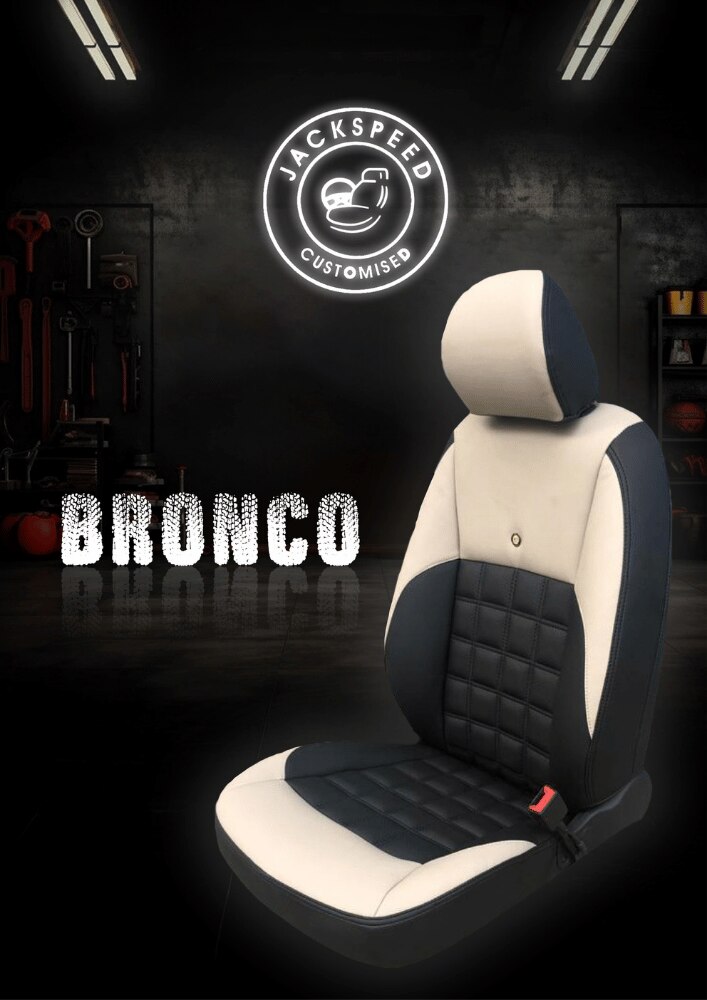 | Custom Car Seat Covers BRUNO Customised Car Seat Covers Jackspeed BRUNO Customised Car Seat Covers feature a contrasting cream and dark colour combination with a structured rectangular centre pattern. View product → |
Decide Whether Bucket Fit Is Worth the Effort for Your Use
A Bruno bucket-fit cover is the wrong choice when you remove covers frequently, need unrestricted child-seat access, or have powered, heated, ventilated or sensor-equipped seats that cannot be fitted without disturbing wiring. The fitting time and removal/refitting charge are hard to justify if you mainly need washable protection.
Stop and compare alternatives if:
- The cover leaves slack beneath a child restraint, blocks ISOFIX or LATCH anchors, or changes top-tether routing.
- Your seat has a side airbag and the installer cannot explain the airbag seam construction.
- You need to switch between passengers, folded rear seats or commercial-use loads every day.
- The quote depends on cutting, unplugging, splicing or compressing wiring.
| Option | Main trade-off | Choose it when |
|---|---|---|
| Universal stretch cover | Lowest effort, weakest contour and retention | You need temporary, removable protection |
| Model-specific semi-custom cover | Better fit, fewer pattern choices | Your seat layout is common and you accept some looseness |
| Professional upholstery retrim | Highest labour and downtime, closest permanent finish | You want restored foam, fixed stitching or a factory-like result |
| No cover around a child seat | Less protection from spills, no added restraint interface | The restraint manufacturer requires direct seat contact |
Ask the child-seat manufacturer whether its installation test must be repeated after any cover change. If the restraint becomes easier to install because the cushion compresses, treat that as a warning, not proof of safety.
Frequently asked questions
How do I confirm a Bruno cover matches my car?
Provide the exact make, model, variant, model year, number of rows and seat layout. Compare those details with the seller’s vehicle-specific fitment record.
What should I check before fitting bucket fit car seatcovers in Mayapuri?
Verify the location of side airbags, seat wiring, seat controls, headrests, armrests and seat-belt access. Ask how the cover preserves each function.
What should I inspect during a Mayapuri fitting visit?
Check that seams align with the seat shape, airbags have clear release seams, seats slide and recline freely, belts remain accessible and no wiring is trapped.
Are custom bucket fit car seats in New Delhi worth the effort?
They suit drivers who prioritise a close, vehicle-specific fit and upholstery protection. Choose another option when you need fast installation, frequent removal or a low-effort fit.
Keywords