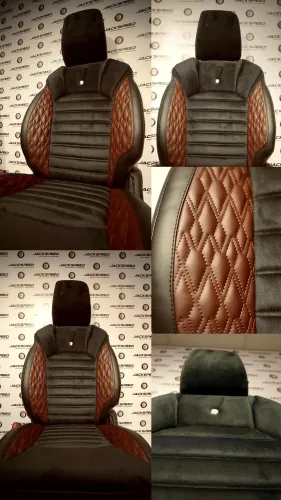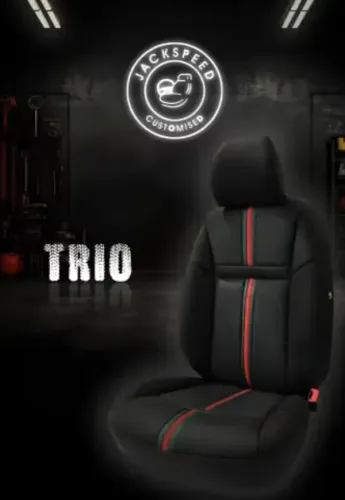
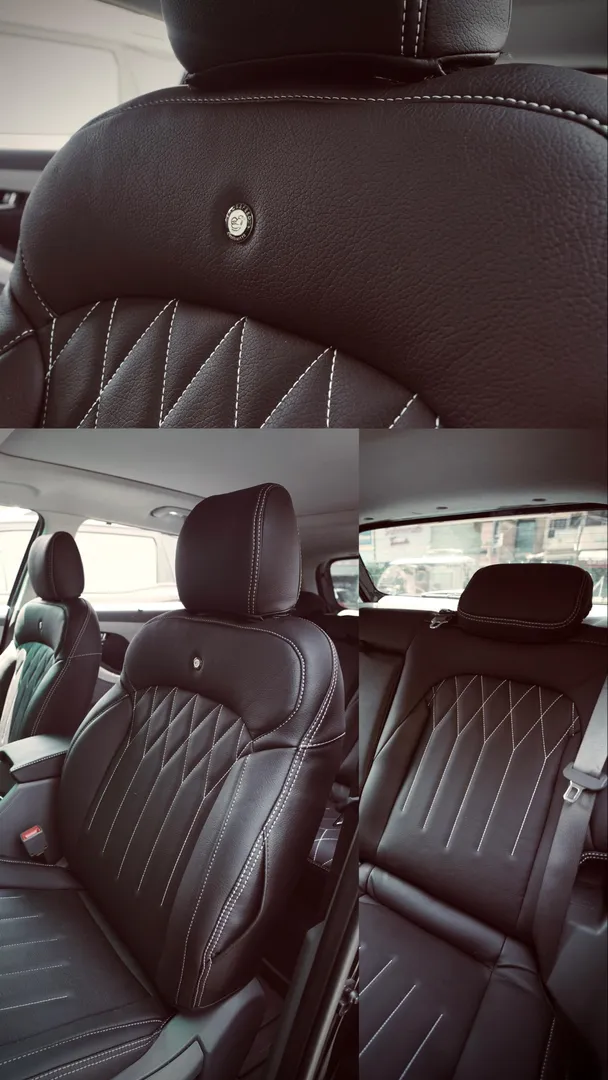
Choosing the right bucket fit car seat covers is about more than changing the appearance of your vehicle interior. A properly fitted seat cover can help protect the original upholstery, improve the cabin's overall finish, and make everyday maintenance easier. The challenge is finding a design that suits the actual seat structure, vehicle features, and driving habits.
For car owners in Delhi, where vehicles are exposed to dust, heat, frequent traffic, and regular daily use, seat-cover fit plays an important role in both appearance and practicality.
What Are Bucket Fit Car Seatcovers?
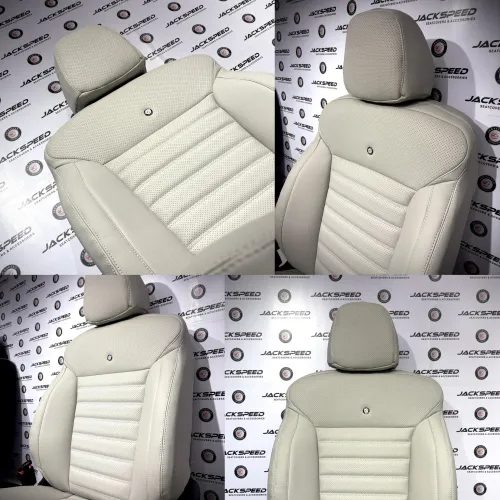
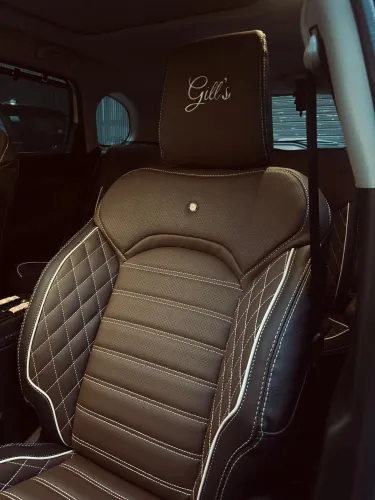
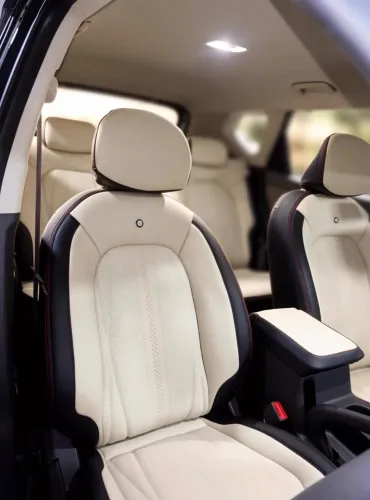
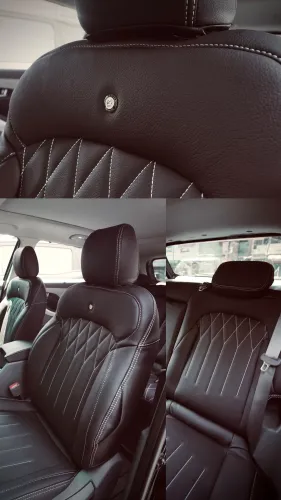
Bucket fit seatcovers are designed to follow the natural shape and contours of individual car seats more closely. Instead of sitting loosely over the surface, they are intended to create a more tailored and integrated appearance.
The design generally takes into account the shape of the seat back, seating area, headrests, bolsters, and other visible sections.
When correctly selected and installed, bucket fit seatcovers can make the interior look cleaner and more organised while protecting the original upholstery underneath.
Why Proper Fit Matters
Car seats are not all built the same way. Even vehicles in a similar category can have differences in seat width, side bolsters, headrest design, armrests, and adjustment mechanisms.
A cover that does not match the seat properly may
- Develop loose areas
- Shift during regular use
- Bunch around the edges
- Obstruct controls
- Affect the appearance of the cabin
- Create unnecessary maintenance issues
A more precise fit generally helps the upholstery remain aligned with the seat contours and creates a more polished finish.
Check Your Exact Car Model and Variant
Before selecting bucket fit car seatcovers, confirm the exact make, model, model year, and variant of your vehicle.
This is important because manufacturers may use different seat designs across variants. Features can also change between model years.
Check whether your car includes
- Adjustable or integrated headrests
- Front or rear armrests
- Seat-mounted side airbags
- Manual or electric seat controls
- Split-folding rear seats
- Centre armrests
- ISOFIX access
- Seat-back pockets
These details can influence how the seatcover needs to be designed and installed.
Airbag Compatibility Should Be Checked Carefully
Many modern vehicles have airbags integrated into the outer side of the front seats. If your car has this configuration, any seatcover should be suitable for the original safety system.
Before installation, check the vehicle owner's manual or look for SRS or airbag markings on the seat.
The seatcover design should take the relevant airbag deployment area into account. This is one reason vehicle-specific assessment is especially useful before customised or close-fitting upholstery is installed.
Select Material According to Daily Usage
Material choice has a major influence on comfort, maintenance, and long-term appearance.
A car used every day in Delhi traffic may require a different upholstery material from a vehicle used only occasionally.
Consider
Maintenance Choose a surface that suits the amount of cleaning you are prepared to do.
Comfort Think about how the material feels during long journeys and hot weather.
Durability Frequently used seats experience more friction, especially around the driver's side bolster.
Appearance The material should complement the dashboard, door pads, floor mats, and other interior elements.
Consider Delhi's Climate
Delhi's driving conditions make practical upholstery selection especially important.
During summer, vehicle cabins can become extremely hot, particularly when parked outdoors. Dust can also collect quickly when doors are opened regularly.
Car owners may therefore want to consider
- Ease of cleaning
- Heat exposure
- Surface comfort
- Colour maintenance
- Resistance to everyday wear
- Suitability for frequent use
The most attractive material is not always the most practical choice for a heavily used vehicle.
Choose Colours That Suit the Existing Cabin
Bucket fit car seatcovers can significantly change how the interior looks because seats occupy a large visual area.
Rather than choosing a colour in isolation, consider the complete cabin.
Look at the existing
- Dashboard colour
- Door trims
- Roof liner
- Steering wheel
- Centre console
- Floor mats
Neutral shades can create a subtle and refined appearance, while contrast stitching or selected colour panels can make the cabin more distinctive.
The design should look intentional rather than disconnected from the rest of the vehicle.
Pay Attention to Stitching and Finishing
Good upholstery is defined not only by the material but also by how it is assembled.
Check whether the stitching is even, whether seams follow the natural seat lines, and whether the finished cover sits consistently across the seating area.
High-contact areas deserve particular attention because they may experience more wear over time.
Installation Quality Makes a Difference
Even a well-designed bucket fit seatcover can look untidy if it is installed incorrectly.
After fitting, inspect
- Seat contours and edges
- Headrest alignment
- Access to adjustment controls
- Armrest movement
- Rear-seat folding functions
- Airbag-related areas
- Any loose or uneven sections
Sit in each seat and operate the functions you normally use before considering the installation complete.
When Bucket Fit Seatcovers Make Sense
Bucket fit car seatcovers can be particularly useful when you want
- Better protection for original upholstery
- A more tailored interior appearance
- Improved colour coordination
- A cleaner-looking seat profile
- Vehicle-specific fitting
- A customised cabin upgrade
They can work well for both new and older cars, provided the design suits the exact seat configuration.
Jackspeed in Delhi offers automotive interior accessories including bucket fit car seatcover options that can be assessed according to vehicle model, usage, and interior preferences.
The best result comes from choosing seatcovers based on the actual vehicle rather than selecting only by design. Accurate fit, suitable material, correct airbag consideration, coordinated styling, and careful installation can help create a car interior that looks refined and remains practical for everyday driving.
Keywords