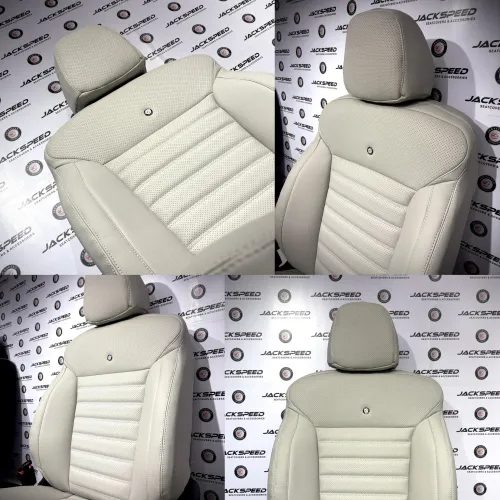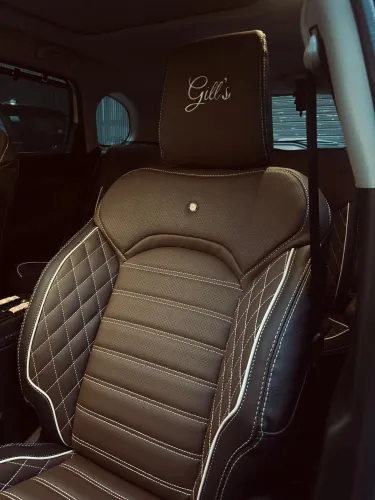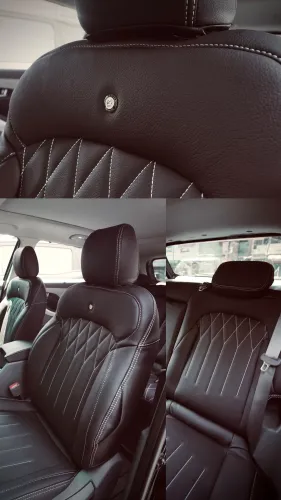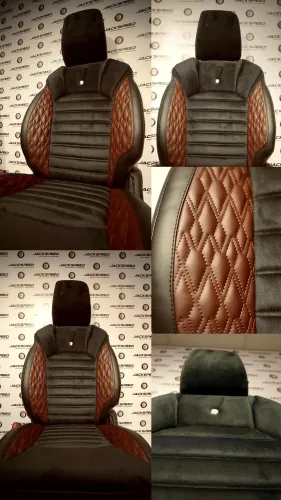
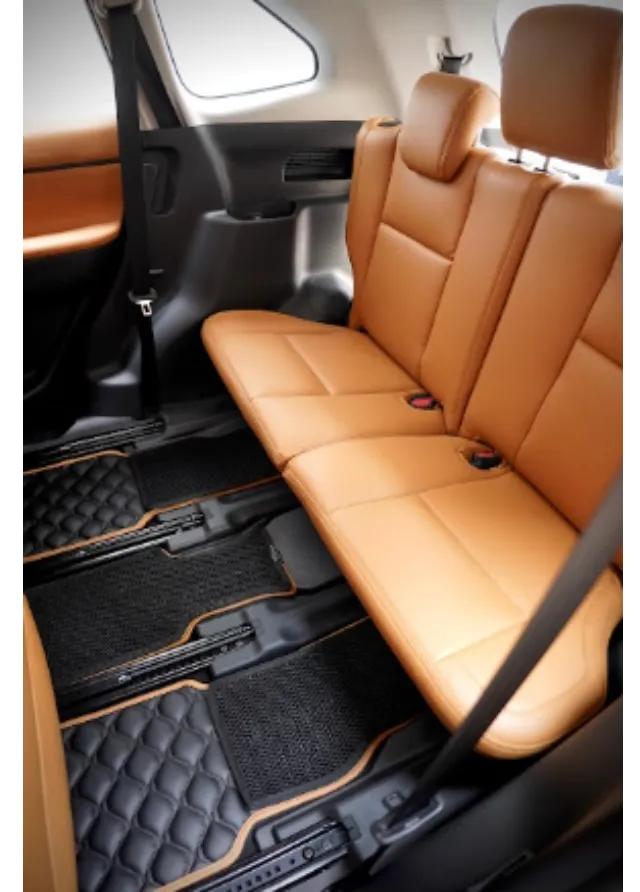
A well-finished leather cover can give a car interior a refined appearance, but maintaining that finish requires regular care. Heat, sunlight, dust, friction, moisture, and everyday use can gradually affect automotive upholstery, particularly in cities with demanding climatic conditions.
Delhi experiences very hot summers, seasonal humidity, dust, and considerable temperature variation through the year. Car owners therefore need a practical upholstery-care routine rather than occasional intensive cleaning.
Remove Surface Dust Regularly
Dust may appear harmless, but repeated friction between dust particles and upholstery can contribute to surface wear over time.
Use a clean, soft cloth or an appropriate vacuum attachment to remove loose dirt from
- Seat surfaces
- Stitching lines
- Seat creases
- Side bolsters
- Areas between the seat and backrest
The driver's seat often requires more attention because it experiences the greatest frequency of use.
Deal With Spills Promptly
Tea, coffee, water, food, and other substances should not be allowed to remain on seat surfaces longer than necessary.
Blot a fresh spill rather than aggressively rubbing it across the upholstery. Cleaning methods should always suit the specific material because genuine leather, synthetic leather, and other automotive upholstery materials can require different care.
Avoid assuming that every household cleaner is suitable for car seats.
Protect the Cabin From Excessive Heat
A parked vehicle can become extremely hot during a Delhi summer. Repeated exposure to high cabin temperatures and direct sunlight can affect numerous interior materials over time.
Where practical, parking in shaded or covered areas can reduce direct exposure. Suitable sun protection for the vehicle can also help limit the amount of direct sunlight reaching interior surfaces.
This does not eliminate normal ageing, but it can form part of sensible interior maintenance.
Pay Attention to High-Wear Areas
Not every section of a seat wears at the same rate.
The outer bolster of the driver's seat commonly experiences significant friction because occupants slide across it while entering and exiting the vehicle. Seat edges, armrest areas, and other frequently contacted surfaces may show wear earlier as well.
Regular inspection helps identify small changes before they become more noticeable.
Avoid Sharp Objects
Keys, metal accessories, tools, and objects with sharp edges can scratch or damage upholstery. Clothing accessories can also catch against seat surfaces.
If the car is regularly used to transport equipment or luggage, protect the seats before placing potentially abrasive objects on them.
Families should also check rear seats periodically because toys, food particles, and other items can remain hidden in seat gaps.
Understand What Material You Have
The term leather is sometimes used broadly when discussing automotive upholstery, but different materials can have different maintenance requirements.
Before applying a conditioner or cleaning product, establish what the cover is actually made from and follow the care instructions appropriate to that material.
Using more product does not necessarily provide better protection. Residue can attract dirt or leave an undesirable surface finish.
Fit Influences Long-Term Appearance
Maintenance cannot compensate for a poorly fitted cover. Loose upholstery may crease, move, or experience concentrated friction at particular points.
A properly fitted design generally creates a cleaner appearance and distributes the material more consistently across the seat.
When selecting automotive upholstery in Delhi, providers such as Jackspeed can help car owners consider material, fit, colour combination, and vehicle-specific seat construction before installation.
Keep the Routine Simple
A practical maintenance schedule does not need to be complicated
- Remove loose dust frequently
- Clean spills promptly
- Use only material-appropriate products
- Inspect high-contact areas
- Reduce unnecessary sun exposure where possible
- Keep sharp objects away from upholstery
Car interiors naturally develop signs of use, particularly vehicles driven every day. Consistent care, however, can help a leather cover retain a cleaner and more presentable appearance while making routine interior maintenance considerably easier.
Keywords