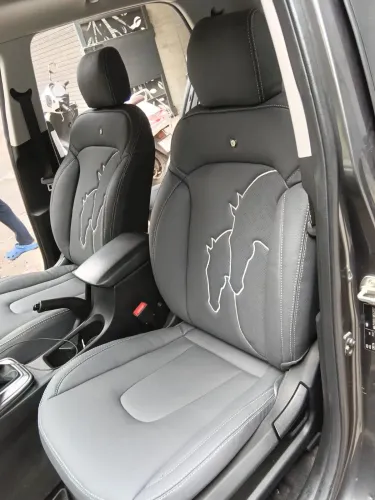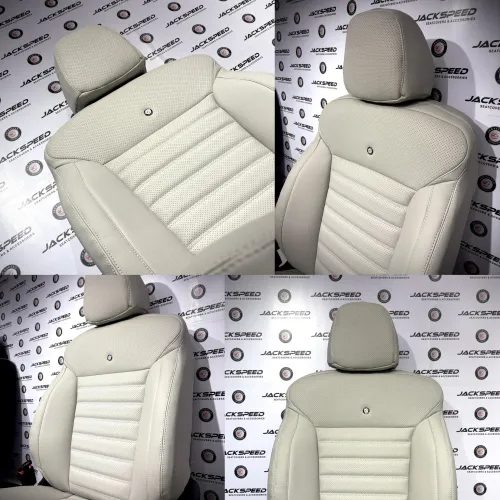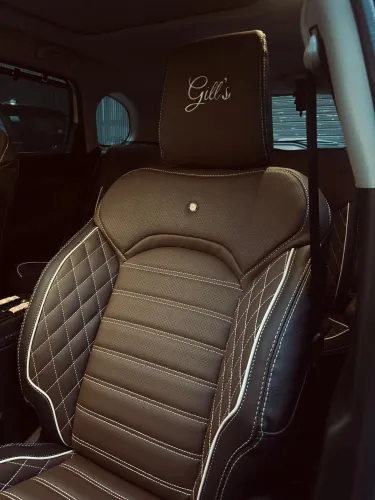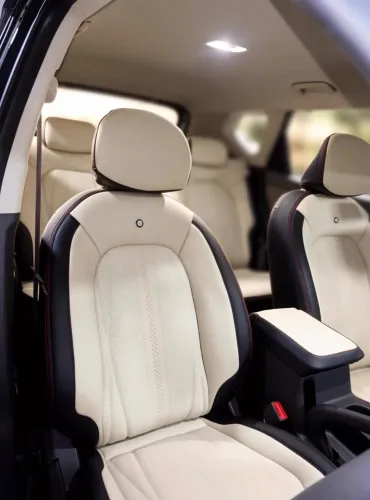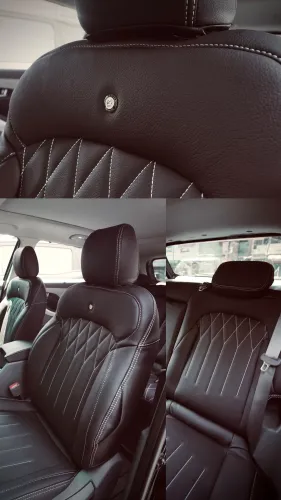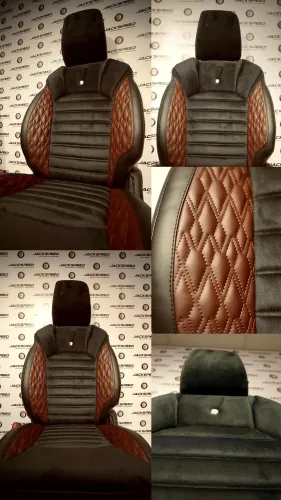
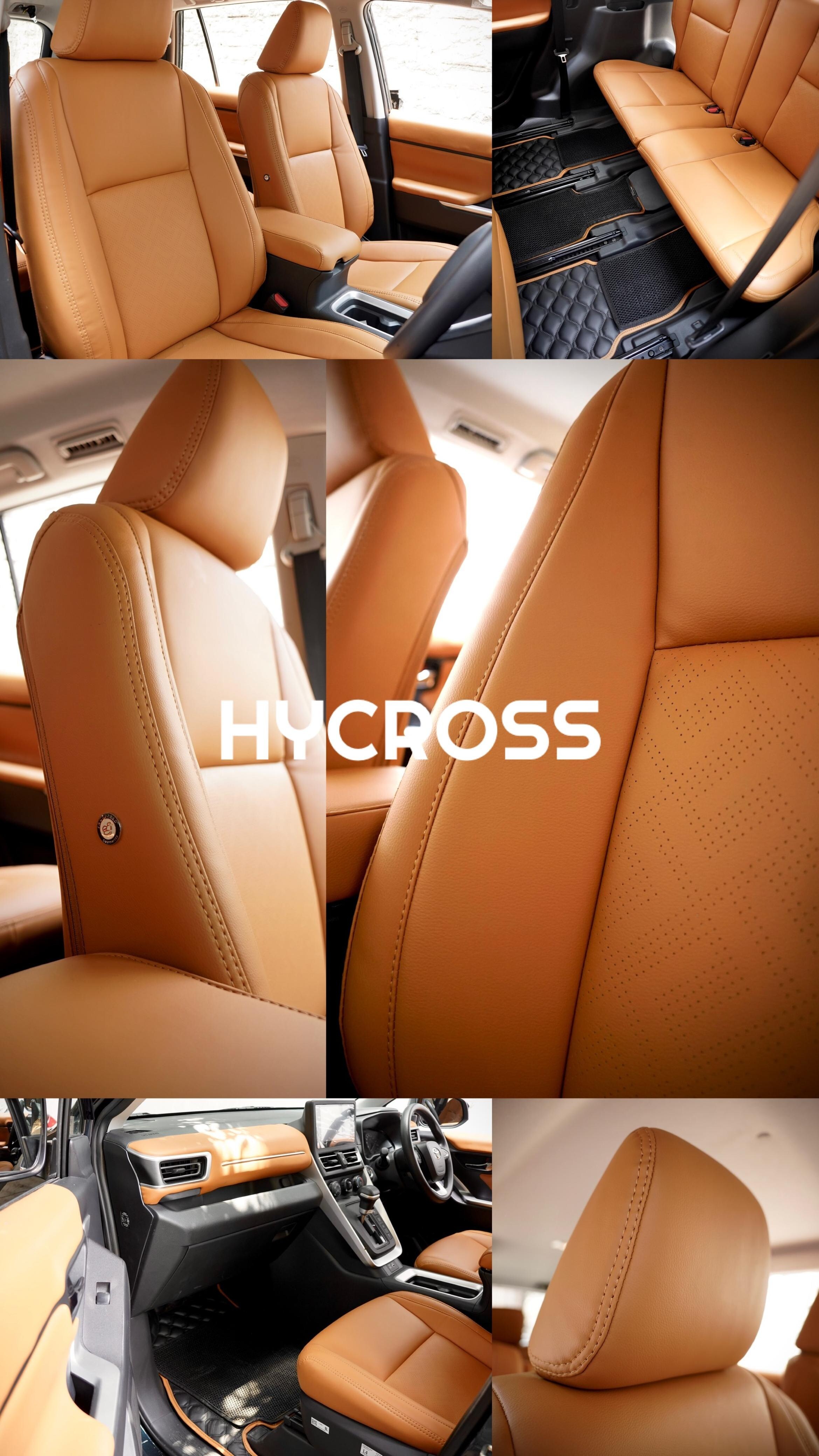
A sporty seat-cover pattern does not reveal whether the material suits New Delhi heat, whether every seat function remains usable, or whether the set fits your exact variant. Before paying, you need a written specification, a vehicle-specific fitment check, a safety inspection and clear terms for installation, alterations and defects.
Key takeaways
- Give the exact model year, variant, body style and seat layout.
- Request stitching, foam, airbag and warranty specifications in writing.
- Test seat airbags, belts, headrests, folding seats and adjustment controls.
- Confirm fitting, alteration, collection and handover details in Mayapuri.
Start with the exact vehicle and seat layout
Provide the exact vehicle identity and seat layout before anyone confirms an OVERNEX pattern. The same model name can use different headrests, armrests, rear-seat splits, centre consoles and side-airbag positions across variants, so a generic pattern is not proof of fit.
Give the installer:
- Make, model, variant or trim level, and model year
- Body style and the number of front and rear seating positions
- Rear-seat arrangement, such as a 60:40 split, 50:50 split or fixed bench
- Removable headrests, centre armrest, rear armrest and rear-console access
- Manual or power front seats, lumbar controls, heating or ventilation
- Seat-belt buckle positions, ISOFIX points and every folding-seat function
- Front airbags, seat-mounted side airbags and curtain airbags
Ask for a written fitment confirmation showing the front-seat count, rear split, headrest openings, armrest cut-outs, buckle openings and ISOFIX access. Request confirmation that the pattern includes a deliberately engineered tear seam where each seat-mounted side airbag deploys; a closed or heavily reinforced seam over the module is a safety warning.
This is the practical answer to “overnex seat covers what to check before ordering in mayapuri”: match the pattern to your actual cabin, not just the badge and model name. Photograph the seats and factory labels before ordering if the variant is uncertain.
Request specifications that appearance cannot show
“Leather” is not a sufficient material specification. Obtain the exact construction, price and remedy in writing before approving the pattern, because customised covers may have limited return options.
Request these overnex seat cover specifications:
- Material type: genuine leather, PU, PVC-coated synthetic leather, fabric or a mixed construction; record surface finish, thickness, backing, foam or padding, perforation or ventilation, colour and expected cleaning method.
- Construction: thread type, stitch pattern, panel count and whether piping or embroidery changes the price.
- Fitment: front-seat count, rear-seat split such as 60:40, removable headrests, centre armrest, rear-console access, seat-belt openings, ISOFIX access and every folding function.
- Safety and controls: treatment around seat-mounted side airbags, power controls, lumbar controls, heating, ventilation and buckle outlets.
- Commercial terms: cover set, installation, taxes, transport, old-cover removal, alteration charges, warranty period and exclusions, plus cancellation, remake and alteration rules.
| Material claim | What to record | What to verify |
|---|---|---|
| Genuine leather | Hide type and treated surface | Cleaning method and warranty exclusions |
| PU or PVC synthetic leather | Coating type, surface thickness and backing | Heat, cracking and peeling coverage |
| Fabric | Fibre composition, weave and backing | Stain-cleaning instructions and colourfastness |
| Mixed construction | Material used on each panel | Whether warranty differs by material |
If a seller cites automotive flammability, ask for the specific test and result. FMVSS 302 is a horizontal-burn test for specified interior materials; it does not automatically prove the finished stitched cover assembly passed.
Test airbags, belts and every seat function
Before paying, confirm whether the vehicle has seat-mounted side airbags and where each module sits. The cover needs a deliberately engineered tear seam at that exact location; a closed, tightly stitched or heavily reinforced seam over the module is a safety red flag. Never accept “airbag compatible” without seeing the panel design.
After fitting, compare every function with the uncovered seat. Complete this checklist before the car leaves the workshop:
- Switch the ignition on and confirm that the airbag warning lamp goes out normally.
- Test the passenger-occupancy or passenger-detection system and every seat-belt reminder.
- Latch and release each buckle; check that each belt retracts without snagging or rubbing against a raised cover edge.
- Slide, recline and adjust electric seats through their full travel, including lumbar controls.
- Operate seat heating and ventilation on every fitted seat.
- Fold and restore the rear seat, centre armrest and rear console without trapped or stretched material.
- Check that child-seat anchorage points and ISOFIX guides remain fully accessible.
- Inspect rails and floor areas for loose fabric, exposed sharp fasteners or material that could interfere with pedals.
Sit in every covered seat and get in and out several times. The cover must stay anchored, must not pull the belt into a new angle and must not press against switches. A warning lamp, blocked buckle or impaired folding function means the installation is not ready for handover.
Compare the material with your daily-use priorities
A customised fitted cover earns its extra fitting time when your car has split-folding seats, removable headrests, seat-mounted airbags, armrests or power controls that a universal cover cannot follow accurately. Choose it when protection, a stable fit and access to every factory function matter more than the lowest purchase price.
| Option | Best fit for your priorities | Main drawback |
|---|---|---|
| Customised fitted cover | Exact seat shape, stable panels and openings for buckles, ISOFIX and controls | Higher cost and installation time; a wrong pattern still fits badly |
| Universal ready-made cover | Temporary protection or a quick, low-cost change | Loose fabric can shift, crease or interfere with rails and controls |
| Fabric | Cooler contact, less slippery texture and easier everyday comfort | Holds dust and stains; check cleaning instructions and colour-transfer testing |
| PU/PVC leatherette | Wipe-clean surface and a uniform appearance | Can feel hotter in direct sun; verify surface thickness, backing and ventilation |
| Genuine leather | Natural feel and premium finish | Highest cost and care burden; heat, dust and moisture still require maintenance |
Ask for the material’s exact identity, surface thickness, backing, perforation, colour-fastness test, cleaning method and warranty exclusions. Treat “waterproof,” “genuine leather” and “lifetime” as incomplete claims without written terms. If you need a cooler surface, choose ventilation or perforation only when it does not block the vehicle’s seat heating or ventilation channels.
Confirm the Mayapuri ordering, fitting and handover process
Before bringing the car, settle the installation location, access time and handover time in writing. Ask whether the work happens at the Mayapuri workshop or on-site, how many hours the vehicle will be unavailable, and whether factory upholstery will be removed.
If removal exposes clips, wiring or sensors, agree who pays for damage, warning lights or rework.
1. Send the make, model, variant, model year and seat layout. Confirm front-seat count, 60:40 or other rear split, removable headrests, armrests, rear-console access, ISOFIX points, seat-belt openings and folding functions.
2. Request an itemised quotation for covers, piping or embroidery, installation, taxes, transport, old-cover removal and alterations. Before approving the pattern, record the cancellation, remake, alteration and warranty terms; customised goods may not qualify for ordinary returns.
3. Ask the installer to photograph scratches, stains, torn upholstery, dashboard warnings and existing seat damage before work starts. Keep the images with the order.
4. At collection, test every buckle: each must latch and release, while the belt retracts without snagging or rubbing a raised edge. Slide, recline, fold and adjust every seat through its full range, including power, lumbar, heating or ventilation controls.
5. Inspect for loose fabric near rails or pedals, blocked ISOFIX access, exposed fasteners, obstructed side-airbag seams and cover movement during entry and exit. If you are ordering overnex customised car seat covers in mayapuri or comparing overnex car seat covers in new delhi, Jackspeed should record unresolved defects before you accept handover.
Related product
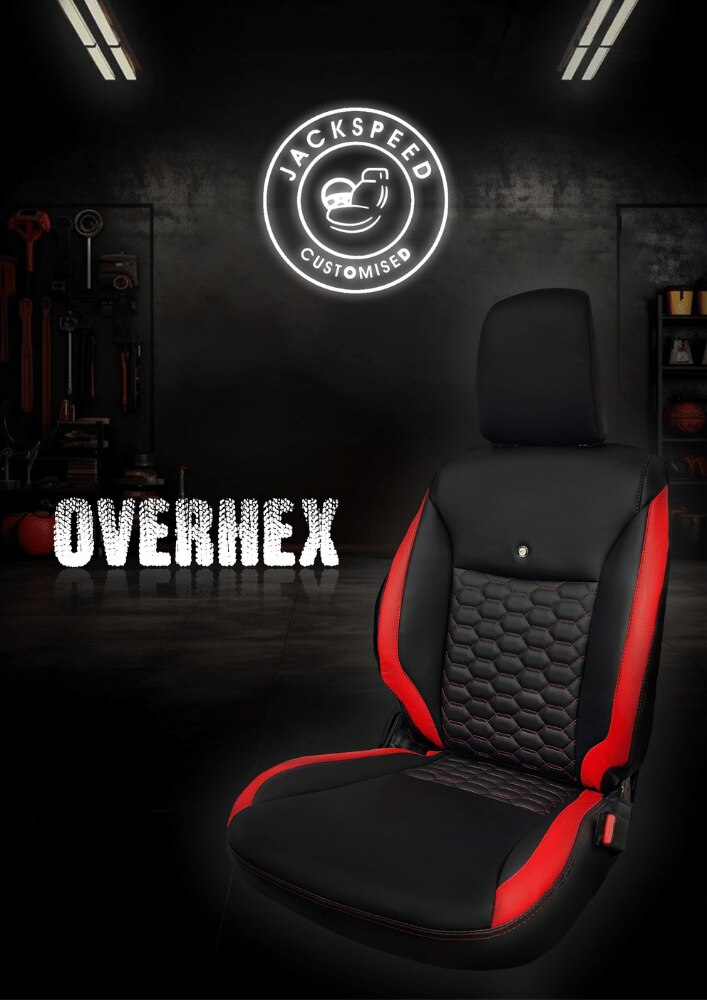 | Custom Car Seat Covers OVERNEX Customised Car Seat Covers Jackspeed OVERNEX Customised Car Seat Covers feature a black and red design with a honeycomb-style patterned centre section. View product → |
Frequently asked questions
What vehicle details should you provide before ordering Overnex seat covers?
Provide the exact make, model year, variant, body style, number of rows, headrest count, rear-seat split, armrests, centre console and side-airbag locations.
Which Overnex seat cover specifications should you request?
Ask for the material composition, thickness, foam or padding details, stitching method, side-airbag treatment, belt access, cleaning instructions and warranty terms.
How can you check whether customised car seat covers remain safe?
Confirm that side-airbag seams are designed for deployment, then test every seat belt, headrest, adjustment lever, folding mechanism and seat-mounted control after fitting.
What should you confirm when ordering Overnex car seat covers in New Delhi?
Confirm the Mayapuri location, measurement method, fitting appointment, alteration policy, expected handover timing, payment terms and what happens if the finished cover does not fit.
Keywords