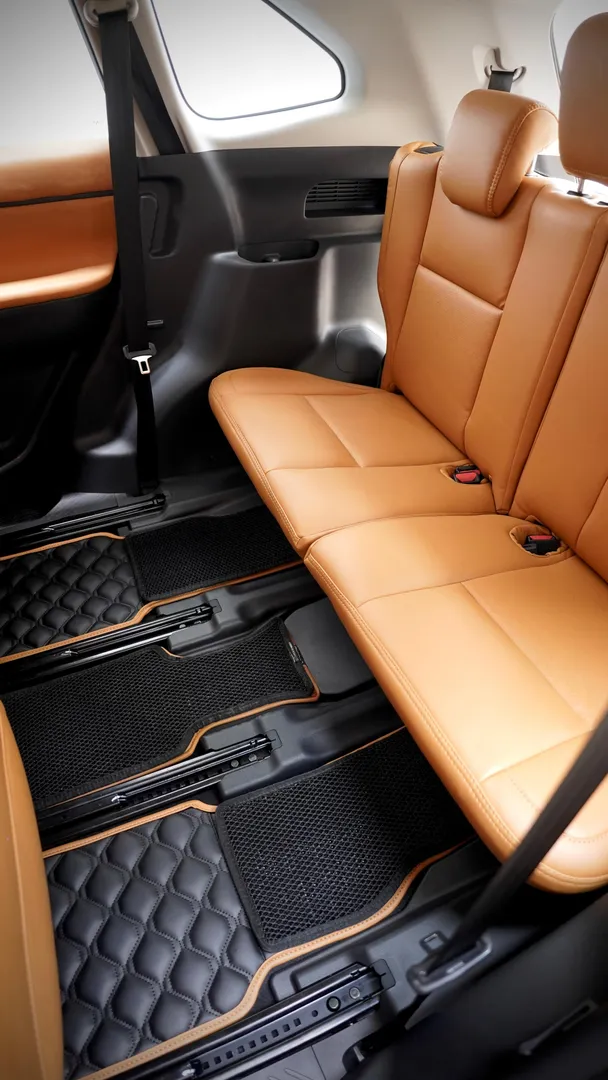
Car floors are exposed to dirt every time someone enters the vehicle. Dust, mud, moisture, food particles, and road debris can quickly collect in footwells, which is why premium car mats are more than a cosmetic interior upgrade.
In Delhi and the wider NCR, dusty roads, seasonal rain, construction activity, and regular urban driving make floor protection particularly relevant. However, choosing a mat purely by design can create problems if fit, stability, or cleaning requirements are overlooked.
Fit Should Be the First Priority
A premium appearance means little if the mat does not fit the footwell properly.
Vehicle-specific mats are designed around the shape of a particular floor area. Accurate coverage can help protect areas that receive frequent contact from shoes while creating a more integrated appearance.
Check front and rear footwells separately because their dimensions and contours differ.
Driver-Side Safety Is Critical
The driver's mat deserves special attention.
It should remain stable and should never move into a position where it could interfere with the accelerator, brake, or clutch pedal.
Avoid adding multiple loose mats on top of each other. Extra layers can shift and may change the space available around the pedals.
After installing any new mat, check pedal movement before driving.
Compare Materials Based on Usage
Different mat constructions offer different benefits.
Some prioritise a plush cabin appearance, while others are designed around easy cleaning or protection from dirt and moisture.
Instead of asking which material is universally best, consider how you use the car.
A vehicle used for daily office commuting may have different requirements from a family SUV, chauffeur-driven sedan, or car regularly used for outstation travel.
Think About Delhi Conditions
Delhi's environment creates several practical floor-care challenges.
During dry months, fine dust can enter the cabin easily. Monsoon conditions introduce moisture and mud. Frequent entry and exit during city journeys also increases the amount of debris carried into the vehicle.
For these conditions, buyers may value
- Good footwell coverage
- A surface that can be cleaned conveniently
- Stable positioning
- Durable edging
- Appropriate moisture handling
- A design compatible with the vehicle interior
Coverage and Thickness Are Different Things
A thicker mat is not automatically a better mat.
Excessive thickness can be undesirable around pedals or seat rails. Coverage, shape, construction, stability, and suitability for the vehicle are more meaningful considerations than thickness alone.
Likewise, a large mat that does not follow the floor contours accurately may provide less useful protection than a properly shaped option.
Match Mats With the Interior
Premium mats contribute to the visual character of the cabin because they cover a significant surface area.
Consider how the colour and finish coordinate with
- Seat upholstery
- Dashboard
- Door panels
- Centre console
- Steering finish
A coordinated mat can make the cabin feel more complete without becoming visually dominant.
Check Maintenance Before Buying
Ask how the mats should be cleaned and how frequently maintenance is likely to be required.
Some surfaces can be cleaned relatively quickly, while textured or layered constructions may require more attention. If the vehicle carries children, pets, or multiple passengers regularly, easy maintenance may deserve greater priority.
Vehicle-Specific Selection Makes a Difference
Jackspeed in Delhi provides automotive interior accessories including car-mat options that can be assessed according to vehicle model and cabin requirements. Checking fit in relation to the actual vehicle can help buyers avoid purchasing mats that are too wide, too narrow, or unsuitable around pedals and seat rails.
Premium car mats should make ownership easier, not simply make the floor look different. Accurate fit, stable positioning, sensible maintenance, and appropriate coverage are the qualities that matter most.
For Delhi car owners, selecting mats around local driving conditions and actual vehicle usage provides a more practical result than choosing solely on photographs, thickness, or decorative appearance.
Keywords