A steering wrap changes one of the most frequently touched parts of a car. It can protect a worn steering surface, alter grip, complement a customised interior, and change how the wheel feels during everyday driving.
Because the steering wheel is also a primary vehicle control, choosing a wrap requires more care than selecting a purely decorative accessory. Delhi motorists who spend substantial time navigating traffic should pay particular attention to fit, thickness, material feel, and installation quality.
Mistake 1 Choosing Only by Appearance
Colour and stitching matter, particularly in a customised cabin, but they should not be the only criteria.
A steering wrap is continuously handled while driving. The surface should therefore feel comfortable and predictable rather than being selected simply because it looks sporty or luxurious.
Evaluate the product in terms of both appearance and touch.
Mistake 2 Ignoring Steering Wheel Dimensions
Steering wheels are not all identical.
Diameter, rim thickness, spoke design, and overall profile vary between cars. A wrap that is not suitable for the wheel may appear loose, uneven, or excessively bulky.
Vehicle-specific compatibility should be checked before installation.
Mistake 3 Making the Wheel Too Thick
Some drivers prefer a slightly fuller steering feel, but excessive thickness can change grip significantly.
The aim should be a comfortable, secure hold. Adding unnecessary layers simply to create a thicker wheel may not provide a better driving experience.
Drivers with smaller hands may notice this difference particularly quickly.
Mistake 4 Accepting a Loose Fit
A steering wrap should not move independently of the steering wheel during normal use.
If the outer layer slips while the underlying wheel remains in position, the result can feel unstable and distracting.
After installation, inspect the wrap carefully and check its stability before regular driving.
Mistake 5 Overlooking Delhi's Climate
Cars parked outdoors in Delhi can develop very high cabin temperatures during summer.
The steering surface may become particularly hot because it is exposed through the windscreen. Material choice therefore affects everyday comfort.
Consider how the surface behaves in heat and how easy it is to maintain after repeated contact with hands, dust, and perspiration.
Mistake 6 Using an Awkward Stitching Pattern
In stitched designs, seams contribute to both appearance and feel.
Bulky or poorly positioned stitching may create an uneven contact point. Consistent workmanship generally creates a cleaner finish and more comfortable surface.
If choosing contrast stitching, make sure it also coordinates with the rest of the cabin.
Mistake 7 Treating It as an Isolated Upgrade
A steering wrap becomes more visually effective when it complements the overall interior.
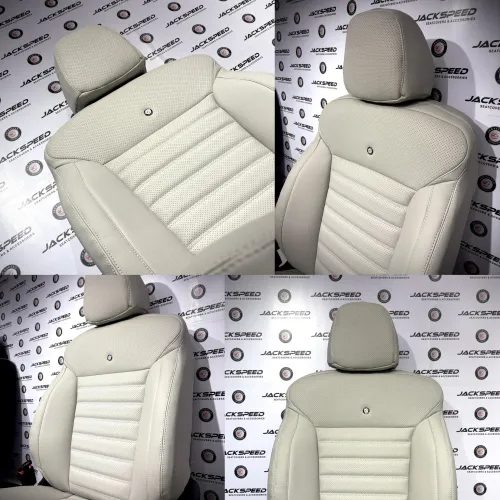
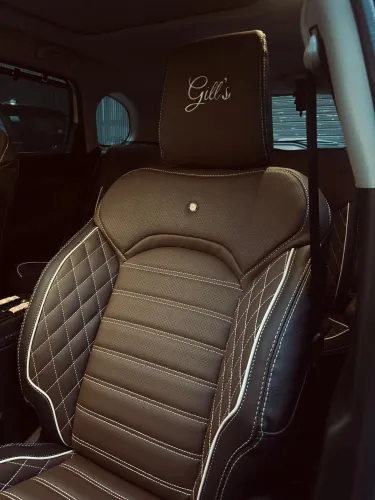
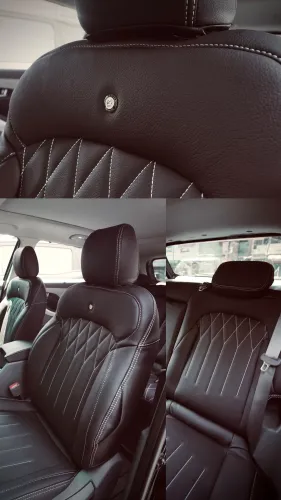
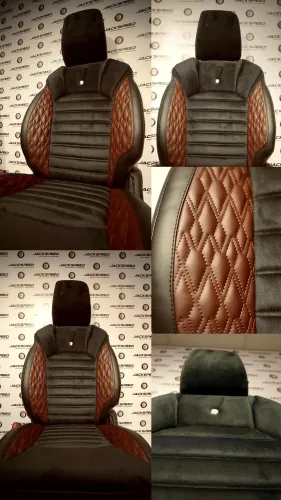
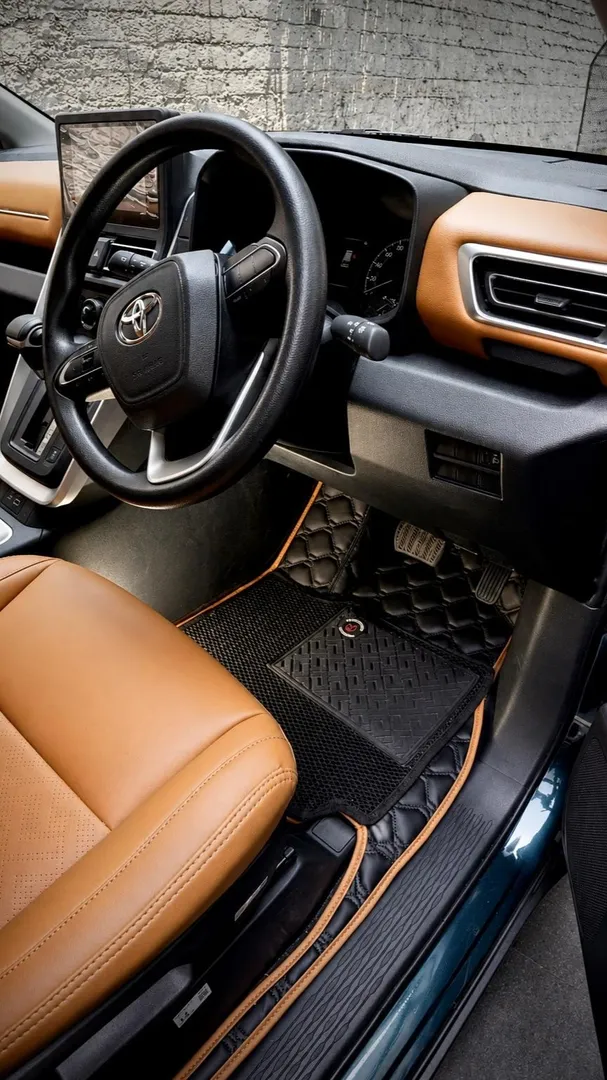
For example, a restrained colour combination can connect the steering wheel with customised seat covers, floor mats, door trims, or other upholstery details.
This does not mean every surface needs the same colour. A coordinated palette usually works better than exact repetition.
What Should You Check Before Installation?
A practical evaluation should include
- Correct dimensions for the steering wheel
- Stable and secure fit
- Comfortable surface texture
- Suitable finished thickness
- Neat stitching or fastening
- Appropriate maintenance requirements
- Compatibility with the existing interior design
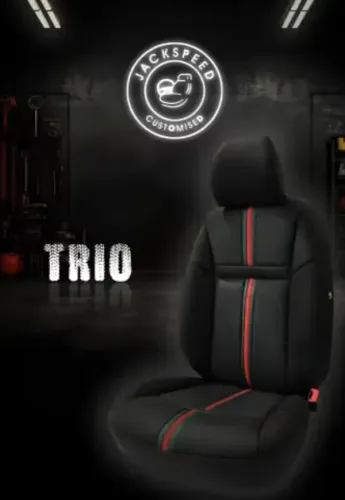
Car accessory providers such as Jackspeed in Delhi can help owners assess steering and upholstery options as part of the overall cabin rather than treating each accessory separately.
A steering wrap is a relatively small modification, but it is one the driver interacts with throughout every journey. That makes usability particularly important. Selecting the right material and fit, then ensuring careful installation, can produce a cleaner cabin appearance while preserving a comfortable and consistent steering grip.
Keywords